

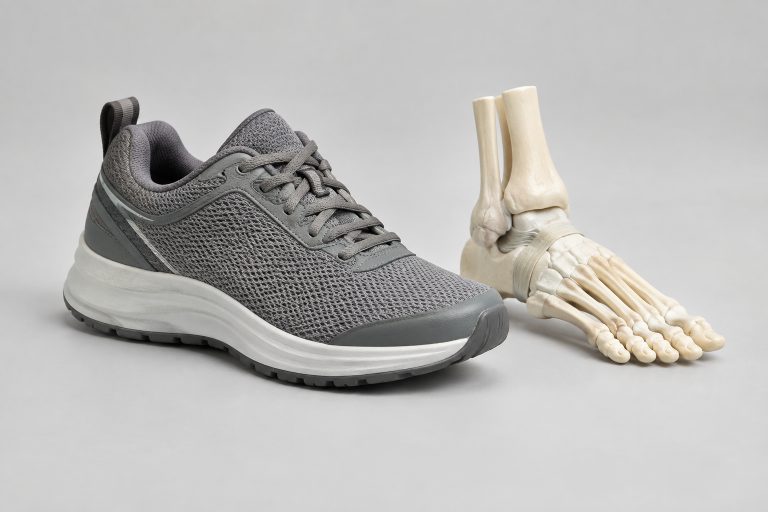
In Ottawa, Ontario, everyday movement can include long walks on neighborhood sidewalks, standing on hard workplace floors, errands in changing weather, and getting back into outdoor activity after a quieter season. Foot pain can make each of those routines feel harder. It can also lead people to shorten their stride, avoid certain activities, or put more weight on the other side of the body without realizing it.
When discomfort continues or begins to affect walking, Ottawa footcare by CWG Footcare may be a useful local option to consider. Cwg Footcare Inc. is a Nepean-based pedorthic clinic serving Ottawa and Nepean, with services centered on clinical and biomechanical foot assessments, custom orthotics, and footwear modifications. That assessment-focused approach can help identify footwear, foot structure, and movement factors that may be contributing to daily discomfort.
Why Foot Pain Can Change the Way a Person Moves
A sore heel, tender forefoot, stiff toe, or painful ankle can affect more than the painful spot. People often shift away from the sore area, limp, take shorter steps, turn one foot outward, or rely more on the opposite leg. These subtle changes can start when trying to finish a workday or continue walking routines. For example, someone with heel pain might adjust their stride during a morning walk in Ottawa to avoid landing fully on the heel. Over time, this compensation can make walking elsewhere uncomfortable. Foot pain may not cause knee, hip, or back symptoms, but altered posture and weight distribution can spread discomfort or reduce stability.
Common Reasons Foot Pain Appears
Foot pain has many causes, and self-diagnosis can miss key details. Common causes include plantar fascia irritation, overuse, ill-fitting shoes, bunions, toe stiffness, deformities, Achilles tendon issues, and pain under the foot’s ball. Arthritis, nerve problems, circulation issues, and past injuries also contribute. The pattern matters: pain only in certain shoes suggests poor fit, while pain after prolonged activity or new routines may mean the feet need time to adjust. A thorough assessment is better than assuming all aches are the same.
How Footwear Can Support Safer Daily Activity
No single shoe is right for everyone. The best option depends on foot shape, symptoms, activity level, and the surface on which the shoe will be used. A supportive walking shoe may not be the best choice for an indoor work setting, winter errands, or a specific sport. The goal is not to buy the most expensive pair. It is to find footwear that suits the person and the task.
Features to Look For
- A comfortable fit from the first wear, rather than a painful break-in period.
- Enough room through the toe area for toes to sit and move naturally.
- A secure heel with laces, straps, or another adjustable closure when appropriate.
- A stable sole that feels dependable on the surfaces used most often.
- Cushioning that feels suitable for the person’s comfort and activity needs.
- Replacement when the sole is unevenly worn, the heel is leaning, or the cushioning feels flat.
Practical shoe-fit guidance notes that tight shoes can create pressure and friction, while loose shoes can allow the foot to slide and feel less stable. The advice in choosing shoes with toe room, heel security, and appropriate support is particularly relevant when a previously comfortable routine starts to cause pain.
When to Reduce Activity Instead of Pushing Through Pain
Staying active is valuable, but repeatedly forcing painful movement can make it harder to recognize a problem early. Consider a short-term adjustment when a specific activity clearly increases symptoms:
- Pause or reduce walking, workouts, standing tasks, or footwear that aggravates the pain.
- Choose lower-impact movement if it feels comfortable and does not worsen symptoms.
- Return to longer walks or exercise in small, manageable steps.
- Track what makes the discomfort better, worse, or more frequent.
- Do not use temporary pain relief as a reason to ignore recurring pain that changes how you walk.
Simple Habits That May Help Protect Foot Comfort
- Change position regularly during long periods of sitting or standing.
- Wear supportive footwear for household tasks on hard floors when needed.
- Build up walking and exercise gradually after a period of low activity.
- Use gentle ankle and toe movements to maintain mobility if comfortable.
- Keep toenails trimmed safely and check for blisters, cuts, swelling, or changes in skin color.
- Record recurring numbness, burning, pain, or changes in balance and gait.
When a Professional Assessment Makes Sense
An assessment can help distinguish between a footwear issue, a change in activity, a movement pattern, reduced flexibility, an old injury, or another health concern. It can also provide a more individualized discussion about whether footwear changes, modifications, or orthotic support may be appropriate. Custom orthotics can help some people by changing pressure distribution or supporting movement, but they are not a one-size-fits-all answer.
Warning Signs That Should Not Be Ignored
- Severe pain after a fall, twist, or direct impact.
- Inability to bear weight on the foot.
- Sudden swelling, deformity, or substantial bruising.
- Redness, warmth, drainage, or other signs that may indicate infection.
- Persistent numbness, reduced sensation, or burning pain.
- A wound that does not heal, especially for people with diabetes or circulation concerns.
- Pain that keeps returning, worsens, or noticeably changes walking.
Common Questions About Foot Pain and Movement
Should a Person Stop Walking Completely?
That depends on the cause and severity of the pain. Some people may tolerate gentle movement, while others may need to rest the area and seek assessment. Pain that makes walking difficult should not be dismissed.
Are Expensive Shoes Always Better?
No, price and branding do not guarantee a good fit. Comfort, stability, construction, and suitability for the intended activity are more important than a label.
How Long Should Foot Pain Last?
Mild soreness after an unfamiliar activity may settle with time and reduced load. Ongoing, worsening, or movement-limiting pain deserves professional attention. For additional perspective on possible causes of walking discomfort, foot pain that persists during walking should be evaluated in the context of the person’s symptoms and health history.
A Practical Five-Step Plan
- Notice the pattern: Record when the pain starts and what activity or footwear was involved.
- Check the shoes: Look for tight areas, worn soles, heel slipping, or compressed cushioning.
- Reduce the load: Temporarily modify activities that trigger symptoms.
- Support daily movement: Choose footwear that matches your routine and increase activity gradually.
- Seek guidance: Arrange an assessment if pain persists, worsens, affects balance, or changes the way you walk.
Conclusion
Foot pain should not always be treated as a minor nuisance, particularly when it changes daily movement. A better-fitting shoe, a slower return to activity, and timely guidance can all support more comfortable walking in Ottawa’s active daily routines. The aim is not to find one solution for every foot. It is to notice changes early, reduce unnecessary strain, and choose support that fits the person’s needs.
