

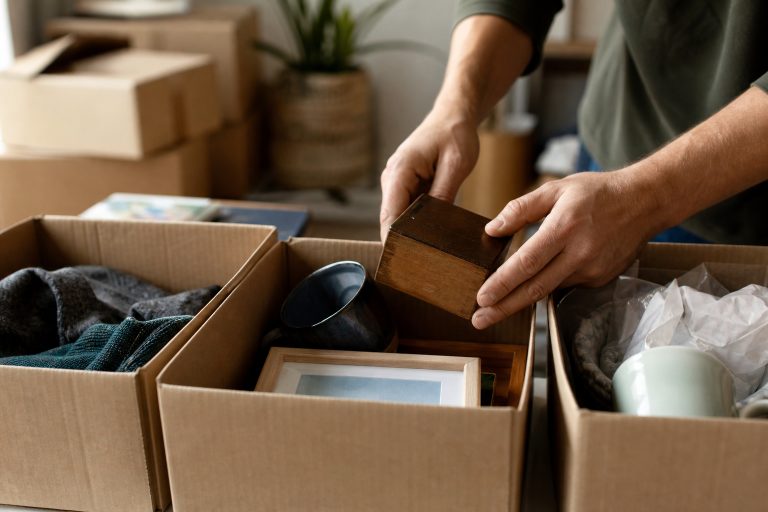
Moving to a new home can be exciting, but the work often feels overwhelming because it involves sorting, packing, cleaning, scheduling, and setting up a new space at the same time. A simple plan gives every task a place, whether you are packing independently or coordinating with movers for the heavy lifting.
The most practical approach is to organize the move by room and by deadline. Instead of trying to complete one massive checklist at once, separate what must happen before packing, what belongs in each room, what needs special handling, and what should be ready during the first week after arrival.
Build a Simple Moving Map and Timeline
Keep dates, contact information, box counts, utility details, and task lists in one notebook, spreadsheet, or phone app. Start planning six to eight weeks ahead when possible. Use that early period to set a budget and sort belongings. About four weeks before the move, begin packing rarely used items and arrange utility transfers. During the final two weeks, finish most rooms, update important accounts, and confirm plans for children, pets, parking, and building access.
A longer pre-move timeline can help households remember steps such as scheduling services, gathering supplies, and completing a final walkthrough. In moving week, pack everyday items last, clean rooms as they empty, and keep important documents within reach.
Some households also need a separate plan for items that do not fit neatly into standard moving boxes. Arranging delivery for individual large or awkward items can help keep the main packing list organized and prevent last-minute decisions.
Declutter Before You Pack
Every item you keep must be packed, carried, loaded, unloaded, and unpacked. Before filling boxes, sort belongings into four groups: keep, donate, sell, and recycle or discard. Ask whether each item has been used in the past year, fits the new home, serves a clear purpose, or would cost more to move than replace. Start with storage areas, seasonal clothing, books, spare linens, wall décor, and seldom-used kitchen tools.
Pack One Room at a Time
Finish one room before opening boxes in another. This keeps loose items from spreading through the home and makes progress visible. Leave daily-use items, including toiletries, work supplies, basic dishes, chargers, and regular clothing, until the final days. Use small boxes for dense items such as books, medium boxes for household goods and toys, and large boxes only for light items such as pillows and bedding.
Do not overload large boxes simply because they have extra space. Use sturdy tape, packing paper for fragile pieces, and labeled plastic bags for screws, brackets, remotes, and other small hardware. Keeping hardware with the item it belongs to saves time during reassembly.
Label for the Destination, Not Just the Contents
Label each box on the top and at least one side. Make the destination room the largest part of the label, then add a brief contents description, a fragile warning when needed, and an “unpack first” note for urgent items. Color marks can also help direct boxes quickly when several people are carrying items into the new home.
Before moving large furniture, measure doorways, hallways, stairwells, elevators, and sharp corners at both homes. Wrap mirrors, artwork, glass, and ceramics separately. Remove shelves or drawers when appropriate, photograph delicate items before packing, and keep each item’s screws in a clearly marked bag.
Prepare Both Homes for Moving Day
Clear walkways, secure loose rugs and cords, and protect floors in wet or high-traffic areas. Reserve parking or loading space if necessary, confirm access to gates or elevators, and keep children and pets away from active work zones. Have cleaning supplies ready for empty rooms, and repeat the same preparation at the new home before boxes arrive.
Keep an Essentials Bag With You
Pack one bag or plastic bin that stays with the household rather than going onto the truck. Include medication, identification, keys, financial records, moving documents, chargers, a power bank, basic tools, scissors, a flashlight, toiletries, toilet paper, towels, snacks, water, paper towels, trash bags, and a change of clothes for each person.
Handle certain belongings separately, including plants, pets, perishable food, jewelry, personal documents, firearms, medication, paint, fuel, propane, and other restricted materials. Large appliances may need professional disconnection. Ask about special handling early, since last-minute changes can slow down the move.
Document the Move and Settle In Gradually
Before loading begins, make a simple record of box totals by room, photos of valuables, existing marks on furniture, utility meter readings, keys, access codes, and contact details. This record makes it easier to locate missing items and answer questions after arrival.
During the first 24 hours, prioritize bathrooms, sleeping spaces, medication, basic kitchen supplies, pet areas, charging stations, and a secure place for documents. Then unpack work, school, and childcare needs, followed by everyday clothing and kitchen equipment. Decorations, books, seasonal items, and long-term storage can wait.
A practical moving checklist also highlights tasks that are easier to complete before a home fills with boxes, such as arranging utilities, cleaning, checking locks, and locating important home systems.
Common Moving Questions
When should packing begin?
Begin several weeks ahead whenever possible. The right timing depends on the home’s size, the number of belongings, the moving distance, and available time outside work or family obligations.
What should be packed last?
Keep cleaning supplies, medication, chargers, toiletries, basic dishes, work materials, and a few changes of clothing available until the end.
How can moving costs be controlled?
Remove unwanted belongings before packing, compare written estimates when hiring help, avoid rushed supply purchases, and measure large furniture before moving day.
A smooth move does not require perfect planning. It requires clear priorities, steady progress, safe pathways, and a practical system for the items that matter most. With a room-by-room approach, a demanding moving day becomes a series of manageable steps.
