

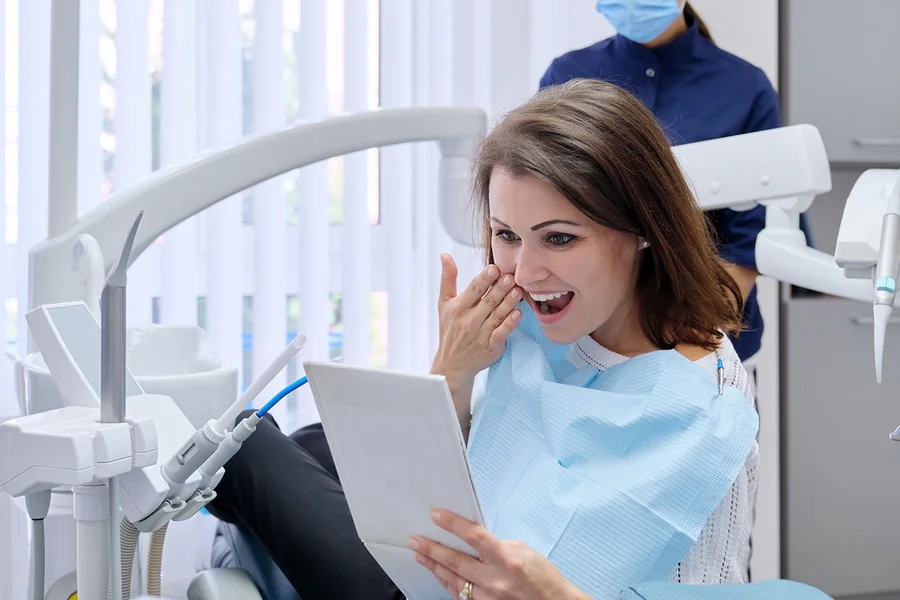
Replacing a missing tooth can affect meals, speech, confidence, and the way neighboring teeth function over time. For people comparing options, learning about the best dental implants in Oklahoma City OK starts with understanding the full process, not just the surgical appointment.
In Oklahoma City, where busy work schedules, family routines, and active weekends can make planning health care feel complicated, a clear treatment roadmap can help. Dental implants may support a crown, bridge, or denture, but the right approach depends on oral health, bone support, medical history, and personal goals.
Why People Consider Dental Implants
A dental implant is a small post placed in the jawbone to replace a missing tooth root. Once it has healed, it can support an artificial tooth. Implants may be used to replace one tooth, several teeth, or an entire arch when combined with a bridge or implant-supported denture.
Unlike a removable denture, an implant-supported restoration stays in place. Unlike a traditional bridge, an implant may replace a missing tooth without relying on crowns on the teeth adjacent to the gap. These differences can make implants appealing for people who want a stable option for chewing and speaking. Still, implants are not the right answer for every mouth or every budget.
What to Expect Before Treatment
Good implant care begins with careful planning. A consultation commonly includes an exam of teeth and gums, a review of medical conditions and medications, and imaging that helps the dental team assess the jawbone, bite, and location of nearby structures.
The conversation should also cover the final restoration before surgery begins. Planning for a crown, bridge, or denture helps determine placement, spacing, appearance, and access for cleaning. The benefits and risks of dental implant systems are worth discussing in detail, including healing time, possible complications, and what to do if discomfort or looseness develops later.
Smoking, untreated gum disease, diabetes that is not well controlled, teeth grinding, and limited bone support can affect treatment decisions. In some cases, a bone graft or gum treatment may be recommended before implant placement. A personalized plan should explain the expected sequence, temporary tooth options, follow-up visits, and the costs included in treatment.
How the Implant Process Works
- Planning: The care team evaluates oral health, bone levels, bite forces, and restoration goals.
- Placement: The implant post is surgically placed in the jawbone.
- Healing: Bone heals around the implant through a process called osseointegration.
- Connection: An abutment may be attached to connect the post and the restoration.
- Restoration: A custom crown, bridge, or denture is placed after the site is ready.
The timeline varies. Some people need only a few major stages, while others need additional healing after an extraction, grafting, or gum treatment. Implant healing often takes several months or longer, so it is helpful to plan around travel, major events, and demanding periods at work or school.
Healing and Recovery
After surgery, temporary swelling, tenderness, bruising, or minor bleeding can occur. The dental team may recommend rest, prescribed or over-the-counter pain relief when appropriate, and a soft-food diet to protect the surgical area. Follow the instructions provided for your specific procedure rather than relying on a friend’s recovery experience.
During the early healing period, gentle brushing and careful cleaning matter. Avoid disturbing the site, chewing hard foods on it before approval, or using tobacco products. Guidance on the healing process for dental implants emphasizes protecting the area, maintaining oral hygiene, and attending follow-up appointments to monitor stability.
Call the dental office promptly if you have increasing pain, prolonged or heavy bleeding, fever, worsening swelling, pus, a loose implant, or a bite that suddenly feels different. Prompt communication can help the care team decide whether an exam is needed.
Daily Care for Dental Implants
Implants do not develop cavities like natural tooth enamel, but the surrounding gums and bone still require regular care. Plaque buildup around an implant can contribute to inflammation and infection, which is why long-term maintenance is part of the investment.
- Brush twice daily with a soft-bristled toothbrush.
- Clean between teeth and around the implant using the tools recommended for your restoration.
- Keep routine dental exams and professional cleanings.
- Avoid biting hard objects, opening packages with teeth, or chewing ice.
- Use a night guard if your provider recommends one for grinding or clenching.
- Report bleeding, swelling, pain, looseness, or bite changes without delay.
Factors That May Affect Success
Long-term results depend on more than the implant itself. Healthy gums, adequate bone, consistent home care, and routine professional monitoring all matter. Tobacco use may interfere with healing, while untreated periodontal disease can threaten the tissues that support an implant. For people with diabetes, blood sugar management may be an important part of surgical planning and recovery.
Teeth grinding can place extra force on a crown, bridge, or denture. A protective appliance may be recommended when grinding is a concern. Regular visits also allow providers to check the bite, restoration, gums, and bone support before a small concern becomes a larger problem.
Questions to Ask Before Treatment
- Am I a candidate for an implant, and why?
- Do I need gum treatment, an extraction, or a bone graft first?
- How long might my treatment take from consultation to final restoration?
- What temporary tooth options are available while I heal?
- Who will place the implant and who will create the final crown, bridge, or denture?
- What risks are most relevant to my health history?
- How should I clean this specific type of restoration?
- Which fees are included in the written estimate?
Common Questions About Dental Implants
Are dental implants painful?
Local anesthesia is commonly used for implant placement, and other comfort options may be available. Soreness after surgery varies by person and procedure, so ask what pain-management plan is appropriate for you.
Can older adults get dental implants?
Age alone does not determine candidacy. Overall health, medication use, bone support, oral hygiene, and the ability to follow aftercare instructions are more meaningful considerations.
What if an implant feels loose?
Do not wait for a routine cleaning appointment. Contact the dental provider promptly if the implant, restoration, or bite feels loose, painful, or unusual.
Final Takeaway
Dental implants can be a practical tooth-replacement option for many Oklahoma City patients, but successful care requires thoughtful planning and consistent maintenance. Ask clear questions, follow recovery instructions, protect the surgical site, and continue daily cleaning and professional visits after the final restoration is in place.
