

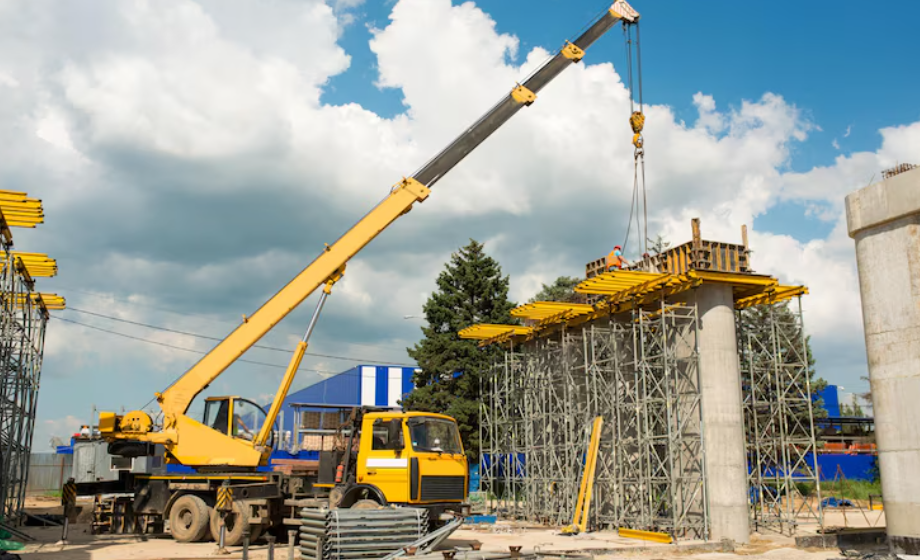
Handling heavy loads is a critical task in construction, logistics, and industrial operations. It requires careful planning, skilled workers, and the right equipment to ensure safety and efficiency. Even a small mistake during lifting or moving heavy materials can lead to serious accidents, delays, or damage to property. That is why understanding proper handling techniques and following safety guidelines is very important for every site. With the right approach, heavy load operations can be completed smoothly, safely, and without unnecessary risks.
Planning Before Heavy Load Handling
Proper planning is the first and most important step in heavy load handling. Before any lifting work begins, it is necessary to understand the weight, size, and shape of the load. The team should also study the working area to identify possible obstacles and risks. A clear lifting plan helps in deciding the right method and tools needed for the job. When planning is done carefully, it reduces confusion on site and ensures that every step is carried out in a safe and organized manner.
Importance of Professional Crane Services in Heavy Lifting
Using professional crane services plays a key role in safe and efficient heavy lifting operations. Cranes are designed to handle extremely heavy loads that cannot be moved manually or with simple equipment. Skilled operators who provide crane services understand load limits, balance, and proper lifting techniques. They ensure that the load is lifted, moved, and placed with precision. This not only improves safety but also saves time and reduces the risk of damage to materials. Choosing experienced crane support makes heavy lifting much more reliable and controlled.
Safe Equipment Inspection and Maintenance
Before starting any heavy lifting task, all equipment should be carefully inspected. This includes checking ropes, hooks, chains, and lifting machines for any signs of damage or wear. Regular maintenance ensures that equipment remains in good working condition and performs safely during operations. Faulty equipment can cause unexpected accidents, so it is important never to ignore small issues. A routine inspection system helps identify problems early and ensures that every tool used in lifting is strong, stable, and ready for safe use.
Proper Communication and Coordination on Site
Clear communication is essential during heavy load handling. Every worker involved in the operation should understand their role and follow instructions carefully. Hand signals, radios, or other communication tools are often used to ensure smooth coordination. Miscommunication can lead to serious mistakes, especially when handling large or heavy materials. When the team works together with clear instructions and proper coordination, the entire process becomes safer and more efficient. Good communication also helps in quickly responding to any unexpected situation.
Training and Awareness for Workers
Well-trained workers are a key part of safe heavy load handling. Training helps workers understand how to use equipment correctly and follow safety procedures. It also teaches them how to respond in emergency situations. Awareness programs help workers recognize potential hazards before they become serious problems. When employees are properly trained, they feel more confident and perform their tasks with greater care. This reduces accidents and improves overall productivity on the worksite.
Weather and Site Condition Considerations
Weather and site conditions can greatly affect heavy load handling operations. Strong winds, rain, or slippery surfaces can increase the risk of accidents. Before starting work, it is important to check weather forecasts and assess ground stability. Uneven or weak surfaces should be avoided or properly reinforced before lifting begins. Taking environmental conditions into account helps ensure that operations are carried out safely and without unnecessary interruptions or dangers.
Conclusion
Safe and smooth heavy load handling depends on careful planning, skilled workers, proper equipment, and strong coordination. Every step, from preparation to execution, plays an important role in preventing accidents and ensuring efficiency. Professional crane services, regular equipment checks, and proper training further improve safety on site. By following these essential tips, heavy lifting tasks can be completed in a controlled, secure, and efficient manner, reducing risks and improving overall project success.
