

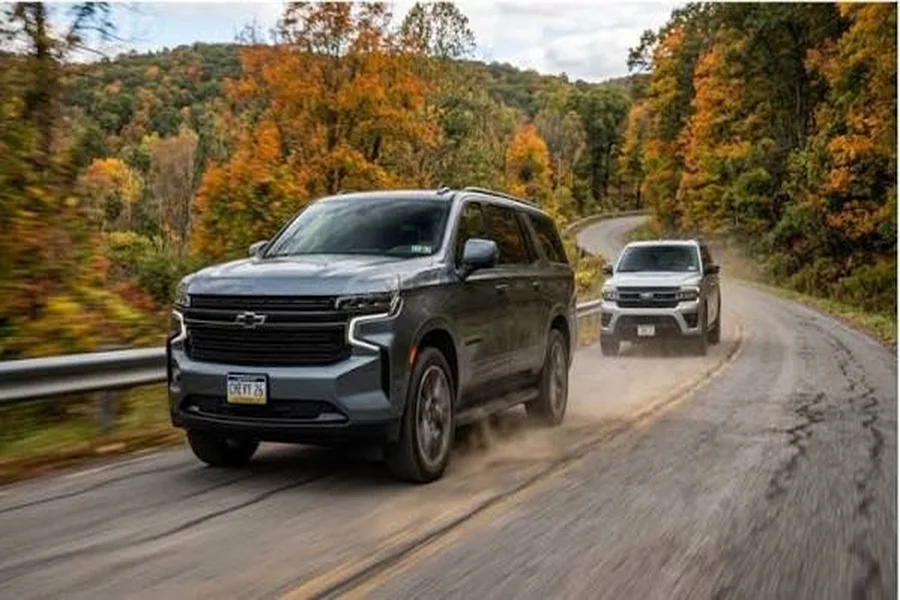
Shopping for a used truck or SUV in Texas takes more than finding a vehicle that looks good in a listing. From long interstate commutes around Dallas, Austin, and Houston to ranch work, boat towing, weekend trail trips, and summer heat, the right vehicle needs to fit the way it will actually be used. Browsing available cars or trucks online is a practical starting point, but a disciplined comparison process can help narrow the field before committing time to a test drive.
The best online shoppers do not chase the lowest advertised number or the flashiest trim package. They compare the condition, capability, history, and likely ownership costs of several vehicles using the same standards. That approach is especially valuable in Texas, where a truck may need to be comfortable in traffic Monday through Friday and capable of hauling equipment, campers, livestock trailers, or recreational gear on the weekend.
Set Your Needs Before You Search
Start with the job the vehicle must perform. Separate everyday needs from occasional demands. A midsize SUV may be ideal for school runs, downtown parking, and Hill Country road trips, while a heavy-duty pickup may make more sense for frequent trailer work. Write down three non-negotiables, such as four-wheel drive, third-row seating, a specific towing requirement, or a crew cab. Then list three flexible preferences, such as leather seating, wheel design, or a premium audio system.
Consider passenger count, cargo volume, commute distance, garage space, and the types of roads you use most. A vehicle that spends most of its life on I-35 may call for a different balance of ride comfort and fuel use than one regularly traveling unpaved property roads or pulling a trailer through West Texas.
Compare Listings With the Same Standards
Judge several comparable vehicles side by side instead of evaluating each listing in isolation. Keep a simple notes page for every finalist that includes:
- Year, make, model, trim, and mileage
- Engine, drivetrain, cab style, and bed length
- Asking price and estimated out-the-door price
- Vehicle location and distance from home
- Reported damage, ownership history, and service records
- Tire condition, visible wear, and included equipment
A lower price can be reasonable, but it may also reflect high mileage, worn tires, fewer options, accident repairs, or maintenance that is due soon. Compare overall condition and equipment, not just the number in bold on the listing page.
Check the Vehicle History and Title
A history report can identify reported accidents, title branding, ownership changes, mileage entries, and damage claims. It is useful screening information, but it cannot confirm that the engine, transmission, suspension, or electronics are problem-free. Match the VIN on the online listing with the dashboard, driver-side door label, title, registration, and any service paperwork.
Before discussing payment, review the dealer disclosures and warranty language. The Buyer’s Guide requirements for used vehicles can help shoppers understand whether a vehicle is sold with a warranty or as-is, and why inspection questions and add-on costs matter. A seller should be willing to answer direct questions about title status, damage, and known mechanical issues.
Review Capability, Size, and Fuel Use
Engine size alone does not explain what a truck or SUV can do. Horsepower helps describe acceleration, while torque is especially important for moving weight. Payload refers to what the vehicle can carry, including passengers and cargo. Towing capacity refers to what it can pull, but the real rating depends on the exact configuration.
Check the Exact Configuration
Cab style, bed length, axle ratio, transmission, drivetrain, cooling equipment, and tow packages can all change a truck’s rating. Confirm the manufacturer specifications for the exact VIN or configuration rather than relying on a general model-year claim. Also, think about the practical size. A long-bed heavy-duty truck may be excellent for work, but difficult to park in older neighborhoods, downtown garages, or crowded trailhead lots.
Use Photos and Videos as Screening Tools
Online images can reveal whether a listing deserves an in-person visit. Look for mismatched paint, uneven panel gaps, rust around the underbody and wheel wells, cracked lights, worn seat bolsters, damaged wheels, and uneven tire wear. Texas heat can also be hard on dashboards, leather, weather seals, batteries, and air-conditioning systems, so interior photos matter.
Strong listings should show all sides of the vehicle, the tires, the cargo area or bed, the engine bay, and ideally the underbody. Walk-around videos can help you spot warning lights, hear startup behavior, and see whether power features operate. Still, images are a filter, not a mechanical inspection.
Estimate the Full Cost of Ownership
The purchase price is only the beginning. Budget for sales tax, registration, insurance, fuel, routine maintenance, tires, brakes, and possible repairs. Trucks with larger tires, diesel components, or specialized suspension parts can cost more to maintain. Compare financing by annual percentage rate, loan term, total interest, and total amount repaid. A longer loan can lower the monthly payment while making the vehicle more expensive overall.
Plan a Better Texas Test Drive
When possible, drive competing vehicles on the same day, so comfort and performance are easier to compare. Use a route with city traffic, highway merging, rough pavement, tight turns, parking maneuvers, and a safe incline. Pay attention to braking, steering, transmission shifts, visibility, cabin noise, ride quality, and air-conditioning performance.
For trucks, test bed height, tailgate movement, hitch access, rear-camera views, and mirror visibility. For SUVs, check third-row access, cargo loading, child-seat space, and how easily the vehicle fits your normal parking situation.
Arrange an Independent Inspection
An independent mechanic can identify issues that records and photos may miss. Ask for a review of fluid leaks, brakes, tires, suspension, cooling components, frame condition, transmission behavior, and diagnostic trouble codes. Request written findings and estimated repair costs. A history report explains part of the vehicle’s past, while an inspection evaluates its current condition.
Avoid Common Online Shopping Mistakes
- Trusting stock photos instead of current vehicle photos
- Skipping VIN and title verification
- Focusing only on the monthly payment
- Ignoring tire age, tread depth, and uneven wear
- Assuming all four-wheel-drive systems operate the same way
- Buying based on trim name rather than actual equipment
- Accepting verbal promises that are not written down
- Skipping an independent inspection because the listing looks clean
Use a Final Buyer’s Checklist
- Confirm the vehicle fits your daily needs and Texas-specific work or recreation plans.
- Match the VIN across the listing, vehicle, title, and records.
- Review history, title status, maintenance documentation, and warranty terms.
- Use the VIN recall search to check for open safety recalls before finalizing a purchase.
- Compare the out-the-door price and financing terms to those of similar vehicles.
- Complete a thorough test drive and independent inspection.
- Walk away if the vehicle’s condition, paperwork, or the seller’s answers are unclear.
Online research should make the in-person process more efficient, not replace it. By carefully comparing vehicles, confirming details, and testing each finalist against real Texas driving needs, buyers can approach the dealership with a shorter list and a much clearer decision.
