

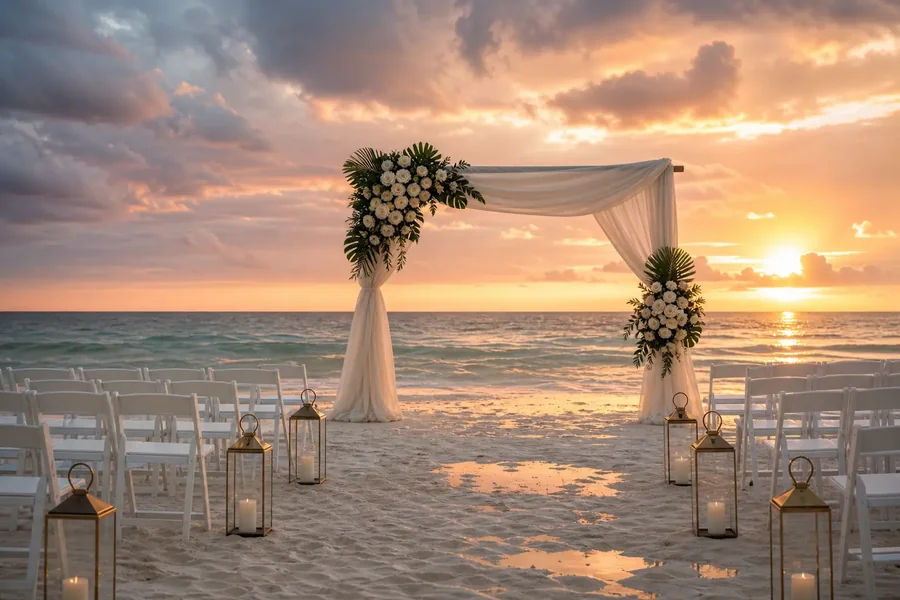
A Florida beach wedding can be beautiful without becoming a tightly packed production. The best plans leave room for ocean views, unhurried conversations, and realistic weather decisions. For couples considering the Sarasota-area Gulf Coast, Casey Key Resort offers boutique beachfront weddings and bungalow accommodations in Nokomis, Florida, with private Gulf shoreline, bayside views, and gathering spaces that suit a destination-style celebration. Its coastal setting and experience hosting wedding stays make it a useful example for couples who want lodging, beach access, and wedding events close together.
Whether you choose Casey Key, another barrier island, or a public stretch of sand elsewhere in the state, the planning principles are similar. Choose a setting that supports your guest list, make a backup plan early, and build a weekend schedule that feels welcoming instead of exhausting.
Start With the Wedding Weekend Plan
Think beyond the ceremony. A two- or three-day plan gives traveling guests a chance to settle in, meet one another, and enjoy the coast without placing every meaningful moment on one afternoon. Start by choosing three priorities, such as photography, exceptional food, or relaxed family time. Then build only the events that support them.
A simple format works well: a casual Friday welcome dinner, a Saturday ceremony near sunset, and an optional Sunday brunch. Guests appreciate a clear plan, but they also need downtime for the beach, a nap, or independent sightseeing.
Choose the Right Florida Coast
Florida beaches are not interchangeable. Gulf Coast locations often appeal to couples seeking calmer water and sunset ceremonies, while Atlantic Coast locations can offer sunrise views and more energetic surf. Barrier islands may feel secluded, but have limited parking and services. Busy public beaches can be convenient, though they may bring crowds and stricter setup rules.
Visit or research the site with practical questions in mind: Is there an accessible beach entry? Are restrooms and shade nearby? Can guests walk from lodging, or will they need transportation? A beach-to-bay setting can add flexibility, giving guests more to do than simply attend the ceremony.
Set a Realistic Beach Wedding Budget
Separate core expenses from beach-specific costs. Your budget should account for the venue, lodging, catering, rentals, photography, music, florals, attire, transportation, and any planner fees. Then add less obvious items, including permits, delivery charges, cleanup, lighting, parking, fans, umbrellas, tenting, and a backup indoor space.
Ask every vendor what is included and what changes if the ceremony moves. A package may simplify logistics, while a custom event offers more control but can require extra rentals and coordination. Keep a reserve fund for weather-related decisions.
Handle Permits and Marriage License Details
Confirm whether your ceremony location is private, public, county-managed, or state-managed, as rules may affect chairs, arches, tents, amplified music, catering, candles, photography, and setup and cleanup times. Get answers before contracts. Marriage-license rules also need early review: Florida residents may face a waiting period unless they meet course requirements, while nonresidents have different timing rules. Check current rules with the Sarasota Clerk of the Circuit Court or the clerk where you’ll apply. A Florida marriage license is valid for 60 days, so avoid applying too early.
Build a Weather-Ready Plan
A backup plan is part of a polished beach wedding, not a sign of pessimism. Choose a covered pavilion, indoor room, tent, or alternate timeline before invitations go out. Set a specific decision time for location changes, and ensure the planner, venue, officiant, and vendors know who has final authority.
Prepare for heat with cold water, shade, fans, breathable attire, and a shorter ceremony. Secure arrangements, signage, programs, and ceremony structures against wind. The Atlantic hurricane season officially runs from June 1 through November 30, so couples marrying during that period should follow NOAA hurricane preparedness guidance, understand venue cancellation policies, and consider wedding insurance.
Plan for Guest Comfort
Great views do not replace thoughtful hospitality. Send airport, driving, parking, and lodging details early, along with a realistic arrival time that includes beach traffic and walking distance. Encourage breathable clothing and stable footwear rather than formal shoes that sink into sand.
At the event, offer water, sunscreen, bug spray, hand fans, and a shaded or indoor place where children, older adults, and heat-sensitive guests can take a break. Clear signs and a simple transportation plan reduce stress for everyone.
Choose Coastal-Friendly Attire and Decor
Let the setting guide the design. Lightweight fabrics, low floral arrangements, weighted signs, sturdy arches, and simple aisle treatments are more dependable than delicate pieces that fight the wind. Choose colors that look good in bright sun and soft late-day light, and schedule hair and makeup touch-ups for humidity.
Create a Simple Wedding Weekend Schedule
Friday: Welcome Gathering
Host casual drinks or dinner near the lodging area. Keep remarks short, introduce key family members, and share the next day’s transportation and weather information.
Saturday: Ceremony and Reception
Protect the morning for rest and preparation. Plan a late-day ceremony for cooler temperatures and flattering light, followed by cocktails, dinner, music, and sunset portraits.
Sunday: Farewell Brunch
Choose an easy indoor or shaded brunch, make attendance optional, and give guests time to enjoy the area before they travel home.
Common Florida Beach Wedding Questions
Do we need a beach wedding permit?
Possibly. Requirements depend on ownership, guest count, equipment, and activities. Confirm rules with the property owner or local authority.
Is sunrise or sunset better?
Sunrise can be cooler and quieter. Sunset usually creates an easy transition into dinner. Choose based on comfort, photography, and your reception timeline.
What happens if it rains?
Your contracts should identify the backup location, decision deadline, refund rules, and each vendor’s responsibilities.
Final Planning Checklist
- Choose the coastal region, date, and ceremony style.
- Confirm weather policies, permits, license timing, and guest limits.
- Book lodging and vendors experienced with beach conditions.
- Create plans for rain, wind, heat, transportation, and indoor space.
- Send a clear weekend schedule and confirm final details one week before arrival.
Conclusion
A Florida beach wedding feels most memorable when the logistics fade into the background. Plan early, keep the design practical, make guests comfortable, and treat the weather backup as another beautiful version of the day. With those foundations in place, the coast can do what it does best: provide a naturally memorable setting for the people you love.
