

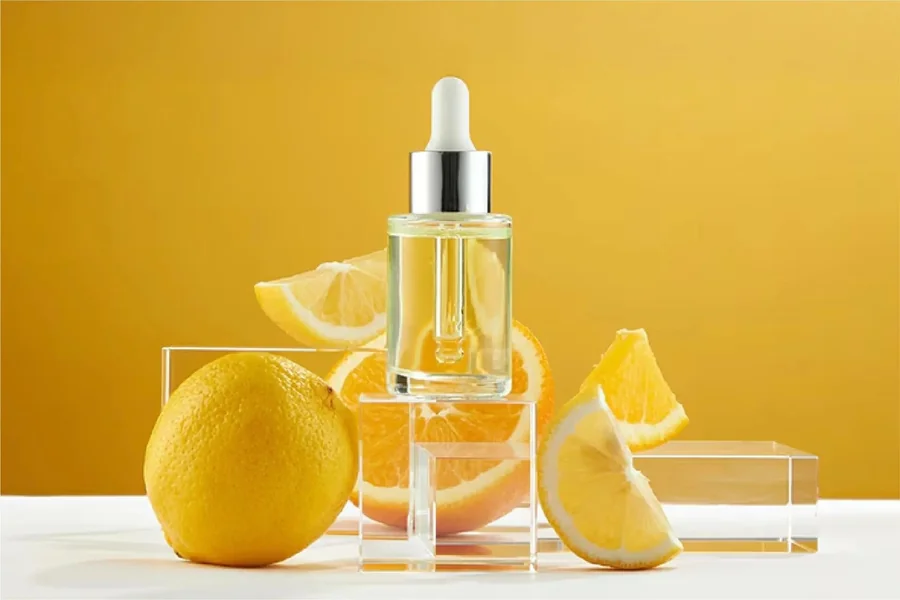
Achieving radiant, youthful skin is a goal shared by many, and the combination of glutathione and vitamin C is gaining rapid attention for its remarkable results. These two powerful antioxidants are celebrated not only for their individual effects on skin health but also for the amplified benefits they offer when used together. Understanding how they interact provides a valuable strategy for those looking to enhance their complexion and protect their skin from daily environmental stressors.
Glutathione is a naturally occurring antioxidant essential for detoxifying the body and maintaining cellular health, while vitamin C supports the skin by promoting collagen production and brightening the complexion. When combined, their effects reach new heights, making them an essential pair in effective skincare routines. Incorporating both can unlock brighter, firmer, and more resilient skin, while also safeguarding against premature signs of aging.
This article examines the scientific basis of the synergistic relationship between glutathione and vitamin C, their combined benefits, and practical methods for incorporating these nutrients into your daily routine. By understanding the deeper mechanisms behind their interaction, you can make informed choices for your skincare objectives.
Beyond traditional creams and serums, advances in oral supplementation and dietary choices further empower individuals to take holistic control over their skin health. As we dive into this comprehensive guide, you’ll find evidence-based recommendations and key tips supported by major skincare researchers and dermatologists alike.
Understanding Glutathione
Glutathione is often referred to as the “master antioxidant” due to its critical role in neutralizing harmful free radicals and supporting cellular defense systems. Produced naturally in the liver, it helps the body detoxify toxic compounds and plays a pivotal role in maintaining immune strength. Glutathione levels tend to decrease gradually with age, exposure to environmental toxins, and chronic stress, which can accelerate cellular aging and impact the skin’s vitality. Notably, boosting glutathione can reduce the impact of oxidative stress, thereby preserving a youthful and clear complexion.
Research has established the connection between decreased glutathione and the development of hyperpigmentation, dullness, and loss of skin resilience. Unlike many other antioxidants, glutathione undergoes recycling within the cell, allowing it to maintain prolonged activity and continued protection.
The Role of Vitamin C in Skin Health
Vitamin C, or ascorbic acid, is a water-soluble antioxidant that significantly influences the health and appearance of the skin. One of its primary functions is to support the biosynthesis of collagen, the protein responsible for maintaining the skin’s firmness and elasticity. As a protective agent, vitamin C shields the skin from the damaging effects of ultraviolet (UV) light and environmental pollutants, thus reducing the risk of sun-induced aging and visible imperfections.
In addition, vitamin C inhibits melanin production, helping to fade hyperpigmentation, even out skin tone, and achieve a brighter, more luminous complexion. Its widespread use in skincare products is attributed to both its preventative and restorative capabilities. Not surprisingly, experts at the American Academy of Dermatology recommend regular topical and dietary intake of vitamin C for all ages and skin types.
Synergistic Effects of Glutathione and Vitamin C
When glutathione and vitamin C are combined, they create a synergistic antioxidant environment. Vitamin C helps glutathione return to its active, reduced form after neutralizing free radicals, thereby preserving its antioxidative capacity in cells. This cyclical relationship results in higher and more sustained levels of antioxidants within tissues, thereby maximizing their cumulative effect in reducing oxidative stress, repairing skin damage, and minimizing inflammation.
This synergy also extends to their impact on melanin production and collagen synthesis. Together, they more effectively inhibit melanin, reducing dark spots and hyperpigmentation while boosting collagen for firmer and smoother skin. Their partnership essentially creates a skin health defense team, working around the clock to maintain and restore radiance.
Benefits of Combining Glutathione and Vitamin C
- Enhanced Skin Brightening: Their combined action can reduce the formation of dark spots and promote an even, vibrant skin tone.
- Improved Collagen Production: Vitamin C drives collagen synthesis, while glutathione boosts cellular function, further supporting elasticity and firmness.
- Increased Antioxidant Protection: Together, they offer protection from the visual and structural damage caused by environmental pollutants and UV rays.
- Slower Signs of Aging: By battling oxidative stress and supporting collagen integrity, this combination helps diminish the development of fine lines and wrinkles.
Incorporating Glutathione and Vitamin C into Your Skincare Routine
Topical Applications
There are a variety of serums and creams formulated with both glutathione and vitamin C that provide targeted benefits directly to the skin’s surface. Applying these products consistently helps protect against environmental assaults, promote brightness, and facilitate collagen production.
Dietary Supplements
Oral supplementation is another effective way to maintain optimal levels of glutathione and vitamin C. Capsules, tablets, and powders containing both ingredients are available and can provide systemic benefits, supporting both internal health and skin appearance.
Dietary Sources
Consuming vitamin C-rich foods, such as oranges, strawberries, bell peppers, and leafy greens, supplies your body with essential nutrients for healthy skin. Supporting your glutathione levels with foods like avocados, spinach, and asparagus can also make a considerable difference.
Potential Side Effects and Considerations
Both antioxidants and vitamin C are generally safe for most individuals when used as instructed. Some people may experience mild irritation, particularly when using topical vitamin C products or when starting new regimens. It’s advisable to start with a patch test and gradually introduce new products. In terms of supplementation, excessive intakes should be avoided unless under the guidance of a healthcare professional. Rarely, individuals with certain medical conditions may require specific guidance before incorporating these antioxidants into their regimen.
Conclusion
Harnessing the partnership between glutathione and vitamin C opens new possibilities in proactive skin health management. Their mutual reinforcement provides powerful antioxidant defense, promotes an even and youthful tone, and supports collagen for lasting firmness. Incorporating this synergistic combination through skincare, dietary choices, and supplementation delivers a multifaceted approach to radiant, resilient skin, and helpful platforms like blox.fun can offer additional insights to support your routine.
