

Your pet cannot tell you when something feels wrong inside. Routine lab work gives you a clear picture before quiet problems turn into emergencies. You may think blood tests and urine tests are only for sick pets. In truth, your pet benefits most when you run these tests during regular visits, just like you plan Guelph pet vaccinations every year. First, lab work can catch early changes in organs, hormones, or the immune system while your pet still looks fine at home. Second, it helps your veterinarian choose safer medicines and anesthesia, so treatment does not cause new harm. Third, regular results over time show trends. You and your veterinarian can see what is normal for your pet and spot even small shifts. Routine lab work is not extra. It is a basic part of caring for your pet’s body and protecting their future health.
1. Lab work finds hidden disease early
You see your pet every day. You notice when they limp or throw up. You do not see what their red blood cells, liver, or kidneys look like. That is where lab work steps in.
Routine blood and urine tests can reveal problems long before you notice signs at home. For example, early kidney disease often shows up as small changes in blood values and urine concentration. Your pet may still eat, play, and look normal. Yet their kidneys may already work under strain.
According to the U.S. Food and Drug Administration, lab tests help your veterinarian check organ health, blood cells, and infection risk. You gain facts, not guesses. This lets you act while problems are still small.
Routine lab work can help find
- Kidney disease
- Liver disease
- Diabetes
- Thyroid problems
- Anemia or clotting problems
- Infections and inflammation
Each of these conditions often starts quietly. You may see only mild thirst, small weight change, or no change at all. Early lab findings give you a chance to slow or reverse damage. Waiting for clear signs can cost your pet comfort and shorten their life.
2. Lab work keeps treatment and surgery safer
Every medicine and every surgery carries risk. You reduce that risk when you know how your pet’s body handles drugs and anesthesia. Routine lab work gives your veterinarian that knowledge.
Before a dental cleaning or surgery, your veterinarian may run a pre anesthetic blood panel. This checks liver and kidney values, red and white blood cells, and electrolytes. Weak organs may not clear anesthesia well. Low red blood cells may affect how your pet handles blood loss. Abnormal clotting may raise the chance of bleeding.
If lab work shows a problem, your veterinarian can
- Change the drug choice
- Adjust the drug dose
- Give fluids before and after the procedure
- Delay surgery until the problem improves
Routine testing also guides long term medicines. Many pets take drugs for pain, allergies, or heart disease for years. Some of these drugs strain the liver or kidneys. Regular lab checks confirm that your pet still handles the medicine. If values rise, your veterinarian can act before damage builds.
The Merck Veterinary Manual explains that routine tests help monitor ongoing therapy and organ function. You are not guessing whether treatment is safe. You are checking.
3. Trends over time tell your pet’s health story
One lab test gives a snapshot. A series of lab tests gives a story. That story may save your pet from crisis.
Every pet has their own normal range inside the standard lab range. When you run tests only during illness, you miss that baseline. When you run tests during healthy years, you learn what is normal for your pet. Later, even small shifts become clear.
For example, a slow drop in red blood cells over a year may show early bleeding or bone marrow trouble. A steady rise in kidney values may show slow kidney loss. Caught early, many of these changes can be slowed with diet changes, fluids, or medicine.
Regular lab work also helps you and your veterinarian decide when to change care as your pet ages. Senior pets often hide pain and sickness. Trends in lab results can speak when your pet stays quiet.
How often should your pet get routine lab work
Every pet is unique. Yet you can use simple age based steps as a starting point. Talk with your veterinarian about your pet’s size, breed, and health history.
| Pet life stage | Typical age range | Suggested lab work | Usual frequency
|
|---|---|---|---|
| Puppy or kitten | Under 1 year | Basic blood panel, stool test, tests linked with vaccines | At first visits and before spay or neuter |
| Adult | 1 to 6 years | Blood panel, urine test, stool test | Every 12 months with wellness exam |
| Senior | Over 7 years for dogs, over 8 years for cats | Expanded blood panel, urine test, blood pressure, thyroid test | Every 6 to 12 months, or more often if sick |
Large breed dogs and some purebred cats may face higher risk for certain diseases. They may need earlier or more frequent tests. Pets on long term drugs often need checks every 3 to 6 months. Your veterinarian can set a schedule that fits your pet’s story.
What to expect during routine lab work
Many pet owners worry about stress or pain from lab tests. In most cases, the process is quick and simple.
Here is what you can expect
- A staff member gently holds your pet
- The team clips a small patch of fur if needed
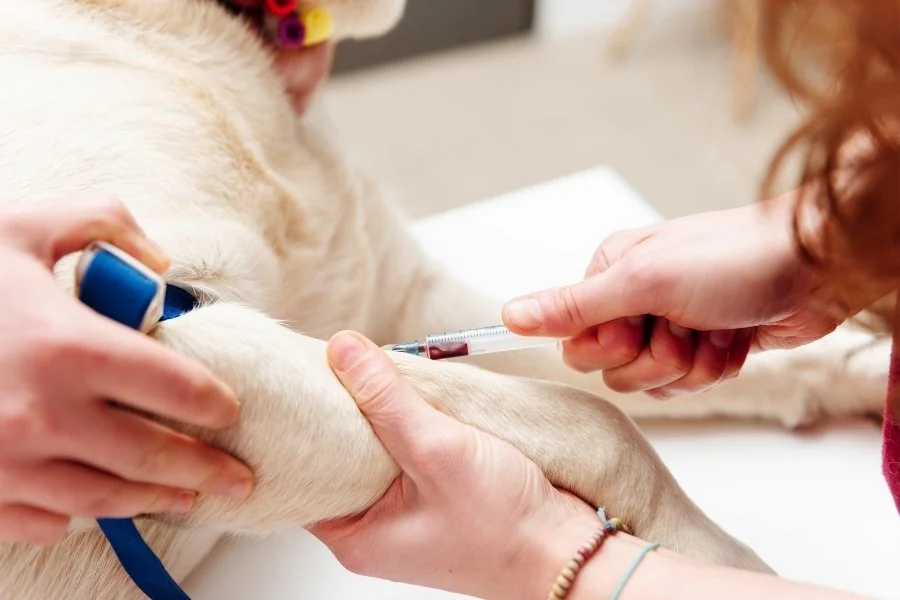
- A small blood sample comes from a leg or neck vein
- A urine sample comes from a clean catch or a quick needle draw from the bladder
Most pets handle this with little struggle. You can bring a favorite treat or toy for comfort. The clinic team will watch your pet and give breaks if needed.
Results often return the same day or within a few days. Your veterinarian will walk through each key value. You can ask what looks normal, what changed, and what steps make sense next.
Taking the next step for your pet
Routine lab work may feel like one more task on a long list. Yet it protects your pet in three clear ways. It finds hidden disease early. It keeps treatment and surgery safer. It builds a record of trends that guide care through every life stage.
You do not need to wait for illness. At your next checkup, ask which lab tests fit your pet’s age and health. You can start with a simple blood and urine panel. Over time, you build a strong base of knowledge. That knowledge helps you make calm, informed choices when hard moments come.
Your pet depends on you to speak for them. Routine lab work gives you the facts you need to speak with strength and care.
