

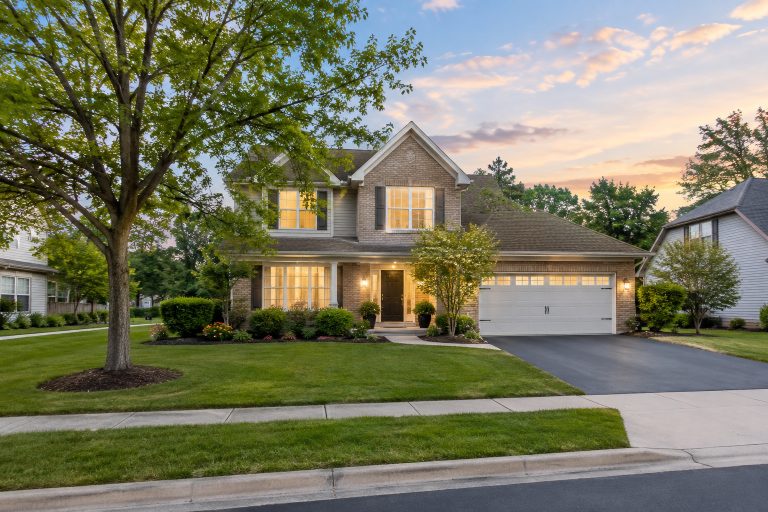
Preparing a home for sale in Naperville is not about making it look brand new. It is about helping buyers see a cared-for, functional property that is priced and presented clearly. In a community with varied housing styles, from established downtown homes to newer subdivisions, the right preparation plan should reflect the property, the neighborhood, and current competition. For a locally grounded perspective, homeowners can review pricing, home valuation, listing preparation, and home transformation services with Naperville, IL, real estate experts Kimberly Zahand Team. The Kimberly Zahand Team serves Naperville and nearby communities, including Aurora, Geneva, Saint Charles, Batavia, and Oswego, with seller-focused guidance designed to help owners evaluate value, presentation, and market strategy before listing.
Define "Market-Ready" Before Spending Money
Market-ready means the home is clean, functional, easy to show, and positioned fairly against similar available and recently sold homes. It does not mean replacing every older surface. A home with dated finishes may still be ready to list if it has been well-maintained, while a more updated home can raise concerns if it has visible leaks, damaged flooring, or neglected systems.
Start With an Honest Buyer-Eye Walkthrough
Walk through the home as though you were seeing it for the first time. Begin at the front entry, then move through each room and outdoor area. Note what feels dark, crowded, worn, confusing, or difficult to use.
- Check that entryways feel clean and welcoming.
- Test lights, doors, windows, cabinets, faucets, and appliances.
- Look for stains, odors, moisture signs, or obvious damage.
- Give every room a clear purpose.
- Clear blocked walkways and overfilled storage areas.
Spend First on Repairs That Reduce Doubt
Buyers may accept an older countertop or a dated light fixture, but unresolved maintenance can raise questions about higher costs. Prioritize issues that affect safety, function, or confidence.
- Fix now: Leaks, loose railings, damaged fixtures, nonworking outlets, water damage, and other clear defects.
- Consider: Worn paint, tired hardware, dated lighting, minor flooring repairs, and neglected landscaping.
- Skip for now: Expensive projects that exceed neighborhood expectations or reflect only personal taste.
Choose Updates With Restraint
Not every improvement needs to be dramatic. Often, the best pre-listing work improves cleanliness, light, function, and first impressions without trying to redesign the entire home. Neutral paint, refreshed mulch, trimmed shrubs, deep-cleaned bathrooms, updated cabinet pulls, and repaired trim can help the property feel cared for. Before approving larger work, compare the home with similar listings in Naperville and recent sales.
Make Each Room Easy to Picture
Staging does not require removing all personality. Its purpose is to make layout, storage, and daily use easier to understand. Guidance on common buyer turn-offs in staged homes highlights distractions such as odors, inconsistent lighting, clutter, and undefined spaces.
- Remove extra furniture from smaller rooms.
- Clear most kitchen and bathroom counters.
- Store seasonal clothing and excess belongings.
- Open curtains and use consistent, comfortable lighting.
- Arrange furniture to show natural walking paths.
Treat Online Presentation as Part of the Sale
Most buyers will form an early impression from the listing itself. Professional photography, accurate descriptions, tidy rooms, and clear details about improvements can help a buyer decide whether a showing is worthwhile. Floor plans and virtual tours can also help when available. The presentation should remain honest, since heavily edited images or hidden flaws can undermine trust once buyers visit the home.
Document Energy and Maintenance Improvements
Gather receipts, warranties, service dates, manuals, and installation records for roofs, windows, insulation, appliances, heating and cooling equipment, and solar systems. If an energy assessment is available, the Department of Energy's Home Energy Score information explains how a standardized score can communicate a home's energy features to prospective buyers. Documentation does not guarantee a specific sale price, but it provides buyers with clearer information for comparison.
Price From Current Evidence
A list price should reflect recent closed sales, active competition, location, condition, and current buyer behavior. The cost of renovations or a seller's hoped-for proceeds does not establish market value. Ask which comparable homes sold recently, how long they were available, what condition they were in, and whether sellers offered concessions. A price supported by current evidence can generate stronger early interest than a launch price that buyers view as difficult to justify.
Build a Simple Pre-Listing Timeline
Four to Six Weeks Before Listing
- Complete the walkthrough and identify repair priorities.
- Gather records for improvements and servicing.
- Review current local pricing evidence.
- Select updates that fit the budget and market position.
Two to Three Weeks Before Listing
- Finish repairs, cleaning, decluttering, and landscaping.
- Plan photography and practical showing access.
- Store items that make rooms or closets feel crowded.
One Week Before Listing
- Recheck lights, faucets, doors, windows, and appliances.
- Confirm improvement dates and listing details.
- Prepare the home for photographs and the first showing.
Avoid Common Seller Mistakes
- Pricing from past market conditions rather than current evidence.
- Spending heavily on highly personal design choices.
- Ignoring odors, clutter, or routine maintenance.
- Listing before visible repairs are complete.
- Leaving rooms without a clear use.
- Failing to explain valuable repairs and improvements.
- Using dark, incomplete, or low-quality listing photos.
Final Checklist Before Going Live
- Repairs are complete, and the home is clean.
- Rooms have a clear purpose and open walking paths.
- The exterior looks maintained and welcoming.
- Photos show the home accurately and clearly.
- Warranties, service records, and upgrade details are organized.
- The price reflects current Naperville-area market evidence.
- The seller understands the showing plan.
Ready Beats Perfect
The most market-ready home is not necessarily the most renovated one. It is the one that feels well-maintained, functions as expected, is priced with a clear understanding of current market conditions, and gives buyers a realistic picture of what they are considering. For Naperville sellers, preparing a property may involve addressing visible repairs, improving curb appeal, decluttering, deep cleaning, and making sure important systems and features are ready to show. It is also helpful to review comparable listings and recent sales, organize relevant property records, and decide which improvements are worth the time and expense. A focused plan can help sellers direct their budget toward changes that make the home easier to understand and appreciate, rather than investing in upgrades that may not provide meaningful value before going live.
Conclusion
Preparing a Naperville home for sale is less about making every room look new and more about presenting a property that feels cared for, functional, and fairly priced. Focus first on repairs that could raise concerns, then consider practical updates that improve cleanliness, lighting, curb appeal, and the way each space is used. Organizing maintenance records, warranties, and details about energy improvements can also help buyers understand the home beyond its appearance. Just as importantly, use recent local sales and competing listings to guide pricing rather than relying only on renovation costs or expectations. With a clear timeline and a focused preparation plan, sellers can make thoughtful use of their time and budget, helping buyers see the home’s strengths while setting realistic expectations before the first showing.
