

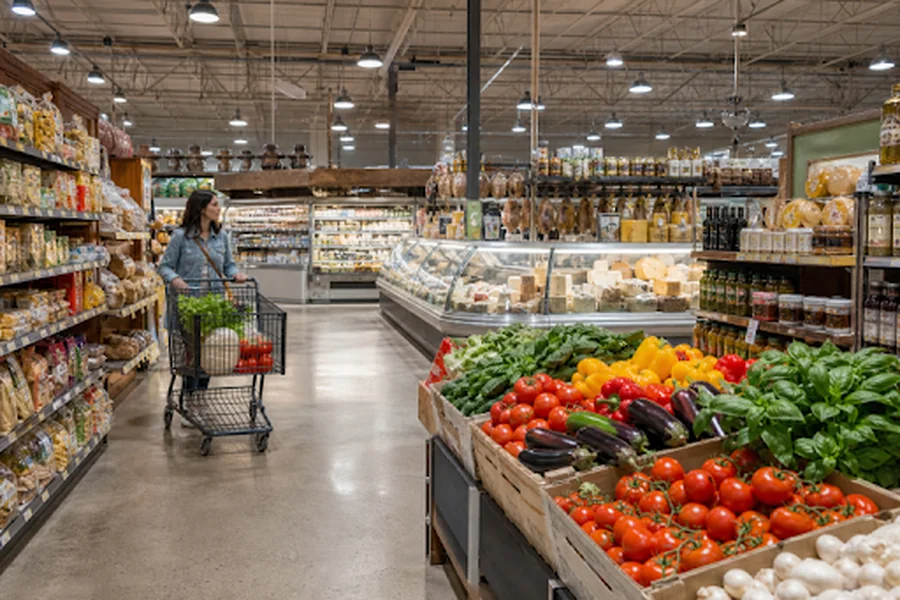
In Ottawa, Ontario, a practical grocery list has to work through changing seasons, busy commutes, family schedules, and the simple desire to eat food that tastes good. A visit to an Authentic Italian supermarket can make weekly planning more interesting, especially when fresh produce, pantry staples, cheeses, deli items, and imported ingredients are chosen with a few meals in mind.
A balanced list is not a strict diet or a cart filled with perfect foods. It is a flexible plan that combines vegetables and fruit, grains, protein foods, and flavourful extras in quantities your household can reasonably use. That approach makes it easier to cook at home without buying specialty ingredients that sit unopened in the pantry.
For a simple visual starting point,Canada’s meal-planning guidance encourages shoppers to use vegetables and fruits, whole grain foods, and protein foods when building meals. Treat those categories as a helpful framework, then adapt them to your budget, tastes, cultural traditions, and available storage space.
Why Grocery Planning Matters
Five minutes of planning can prevent the familiar midweek question of what to make for dinner. Start with the number of people eating, nights when time will be limited, foods already at home, and the room available in the refrigerator and freezer. A short meal map also helps distinguish a useful purchase from an impulse buy.
For example, plan three dinners around spinach, tomatoes, rice, lentils, eggs, chicken or tofu, and a modest amount of cheese. Spinach can appear in an omelet, a pasta dish, soup, or sandwiches. Tomatoes can be used in salads, sauces, or grain bowls. Ingredients with several uses make the list more efficient.
Start With a Simple Meal Map
- Choose three main meals for the week.
- Add two quick options for especially busy days, such as soup, eggs on toast, or pasta with vegetables.
- Include the basics for breakfast, lunch, and snacks.
- Check the refrigerator, freezer, and pantry before leaving home.
- Write down only the items that are missing.
Keep the plan realistic. A complicated recipe may be enjoyable on a quiet weekend, but a weeknight list should also include meals that can be assembled quickly. Leftovers count, too. Cooking extra rice, roasted vegetables, or lentils can provide a useful base for lunch the next day.
Build the List Around Food Groups
Vegetables, Fruit, and Grains
Choose a mix of delicate produce to use early, such as berries, leafy greens, mushrooms, and fresh herbs, along with sturdier choices like carrots, cabbage, onions, potatoes, and apples. Frozen vegetables and fruit are useful backups when fresh items may not be used in time. Add oats, whole-grain bread, brown rice, barley, or whole-wheat pasta for dependable meal bases.
Protein Foods and Calcium-Rich Choices
Rotate protein options according to preference and budget: beans, lentils, eggs, fish, poultry, meat, tofu, nuts, and seeds can each be used in different meals. Yogurt, milk, fortified plant-based beverages, and cheese can round out breakfasts, snacks, sauces, and lunches. Buying a few versatile choices is usually more practical than purchasing a different protein for every day.
Mix Fresh, Shelf-Stable, and Imported Foods
Fresh does not have to mean every item comes from the produce aisle. Canned tomatoes, dried pasta, rice, canned beans, and jarred vegetables provide convenient foundations for meals, while frozen vegetables can be portioned as needed. Pair fresh greens with canned beans for a fast salad, or combine frozen vegetables, pasta, and tomato sauce for a simple dinner.
Imported foods add variety when they have a clear role. Choose one or two feature items, rather than filling the cart with unfamiliar products. A jar of roasted peppers can be used in sandwiches, omelets, pasta, and grain bowls. Imported pasta, olives, vinegar, cheeses, spices, and sauces can bring new character to familiar ingredients without requiring an entirely new cooking routine.
Shop for Seasonality and Value
Produce availability and pricing can change with weather, growing seasons, and supply. Keep your list flexible enough to substitute similar ingredients. If peppers are not appealing that week, try carrots, cabbage, broccoli, or frozen vegetables instead. Compare package sizes and unit prices, but only buy larger quantities when you can store or use them before quality declines.
A sale is worthwhile when it supports the plan. It is less useful when it creates more food than your household can finish. Consider whether the item can be frozen, used in several meals, or stored as a pantry staple before adding it to the cart.
Read Labels Without Overthinking Them
- Check the serving size before comparing products.
- Review sodium, sugars, and saturated fat in similar packaged foods.
- Read the ingredient list for allergens or dietary concerns.
- Check the best-before date and package condition.
- Choose the product that fits the meal, household needs, and budget.
Imported packages can use unfamiliar languages or serving formats, so take an extra moment to review the Canadian label information when it is present. A premium-looking label is not automatically a better fit for every meal. The most useful product is one that your household will enjoy and use.
Keep Food Safe From Store to Kitchen
Make the produce, pantry, and specialty aisles the earlier part of the trip, then pick up cold foods near checkout. The Canadian Food Inspection Agency advises shoppers to shop safely and shop smart by keeping raw meat, poultry, fish, and seafood separate from ready-to-eat foods and getting perishable groceries home promptly.
- Use an insulated cooler bag if the trip home will take extra time.
- Store raw meat, poultry, fish, and seafood on the bottom shelf of the refrigerator in a sealed container or bag.
- Refrigerate or freeze perishable foods as soon as possible after arriving home.
- Label leftovers with the date and use clean containers with secure lids.
A Sample Balanced Shopping List
- Produce: leafy greens, tomatoes, onions, carrots, seasonal fruit, and frozen vegetables.
- Protein foods: eggs, lentils, beans, chicken, fish, tofu, or another preferred option.
- Grains: oats, whole grain bread, rice, and pasta.
- Dairy or alternatives: yogurt, milk, or fortified beverages, plus a small amount of cheese.
- Pantry items: canned tomatoes, olive oil, vinegar, herbs, spices, and nuts.
- One specialty item: an imported sauce, cheese, preserve, grain, or baked product that can be used more than once.
A Five-Minute Review Before Checkout
- Can these groceries make at least three complete meals?
- Do most meals include vegetables or fruit?
- Is there a protein food for each main meal?
- Will the fresh items be used before they spoil?
- Does every specialty purchase have at least two possible uses?
A successful Ottawa grocery list does not need to be long. It needs to connect everyday staples with meals your household will actually make. By combining fresh produce, shelf-stable basics, practical proteins, and a few carefully selected imported foods, you can create satisfying variety while keeping shopping, storage, and weeknight cooking manageable.
