

Key Takeaways
- Regular preventive dental care significantly reduces the risk of cavities, gum disease, and other oral health issues.
- Preventive measures can lead to substantial cost savings by avoiding expensive treatments.
- Good oral health contributes to overall well-being and can prevent systemic health problems.
The Importance of Preventive Dental Care
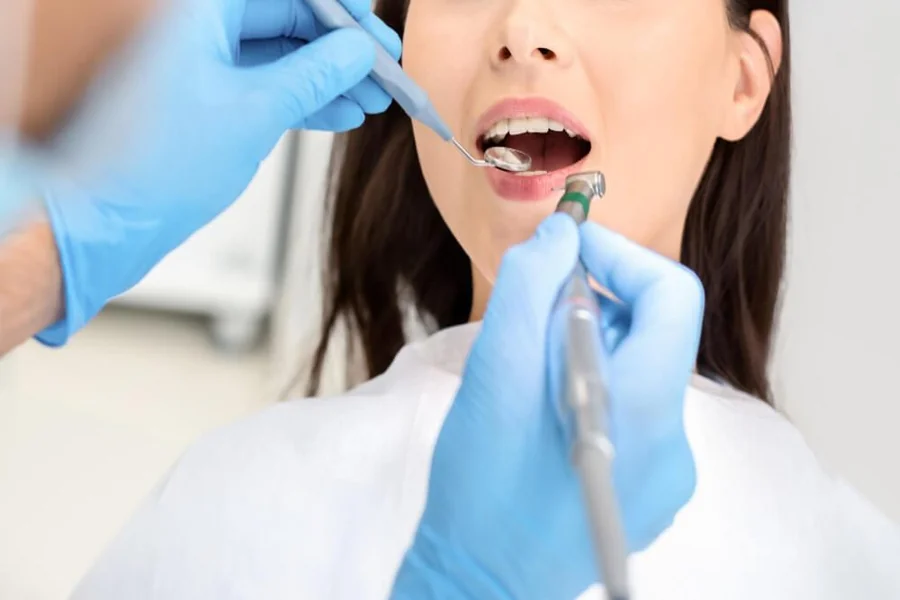
Preventive dental care consists of routine practices that help keep your teeth and gums healthy and address dental issues at the earliest stages. These habits include regular dental check-ups, cleanings, fluoride treatments, and dental sealants. Incorporating these steps is vital for families, as they help reduce oral disease and foster lifelong health. One of the most effective ways to make regular care affordable for every member of your household is to choose family dental insurance, which can encourage consistent preventive care and lower the risk of future oral health emergencies.
Keeping up with preventive treatments not only benefits appearance and comfort but also provides peace of mind by preventing major dental issues. Additionally, preventive strategies can help ease fears about dental visits. When dental appointments focus on maintaining health instead of treating disease, both children and adults can build positive relationships with dental care.
It is important for families to make preventive dental care a consistent part of their health routines, as this approach helps children develop good habits that remain into adulthood. Scheduling regular visits to your dentist every six months allows your provider to closely monitor your oral health and catch developing issues early, ensuring optimal results and fewer surprises.
Reducing the Risk of Oral Diseases
Timely dental check-ups and preventive care are highly effective in reducing the risk of cavities and gum disease. The Centers for Disease Control and Prevention (CDC) notes that almost half of children have experienced cavities by age 9. This figure emphasizes the importance of prevention, not just for kids but for adults as well. Daily brushing, flossing, and regular fluoride use form the foundation of good oral hygiene, while sealants offer additional protection for vulnerable young teeth.
Preventive care also plays a crucial role in catching issues early. Dental professionals can identify symptoms such as inflamed gums, weakened enamel, or small cavities before these problems worsen and require more intensive treatment. By acting early, families can reduce both the discomfort and disruption caused by oral health complications.
Cost Savings Through Prevention
Financial considerations can be a major concern in dental care. However, investing in preventive services often translates to significant savings over time. For example, a report from the George Washington University Milken Institute School of Public Health revealed that families with Affordable Care Act (ACA) preventive protections can save up to $4,000 annually in out-of-pocket health costs. These savings are achieved by preventing the need for costly emergency visits or restorative procedures, such as root canals and crowns.
Routine visits allow dentists to plan minor interventions that are far less expensive and invasive than repairing damage once a problem has become advanced. Preventive care makes budgeting for your family’s oral health much easier, offering peace of mind that your loved ones’ teeth are cared for in the long run.
In many cases, insurance plans are structured to cover preventive services with little to no out-of-pocket expenses for families. Taking advantage of these benefits not only helps protect your oral health but also enables your household to allocate resources to other important needs, making prevention an even smarter financial strategy for overall wellness.
Enhancing Overall Health
Oral health affects nearly every system in the body. Untreated gum disease has been linked to heart disease, diabetes, and certain respiratory conditions. According to the Mayo Clinic, people with chronic conditions who engage in preventive dental care require fewer hospitalizations and have lower overall medical claim costs. This demonstrates that oral care positively impacts your total health, not just your mouth.
Ignoring routine dental care increases the risk of inflammation and infection, which can spread to other body systems. By prioritizing oral hygiene and preventive visits, families not only ensure bright smiles but also support their overall health and help prevent more serious illnesses related to poor oral health.
Preventive Care for Children
Starting children on a preventive dental care path early in life sets the stage for lifelong habits. School-based sealant programs have shown that they reduce new cavities on children’s molars by nearly 50 percent, preventing hundreds of fillings and unnecessary dental treatments. By teaching children how to brush and floss correctly, scheduling regular check-ups, and discussing the importance of dental health as a family, parents give their children the tools they need for lasting oral health.
Children who grow up with easy access to dental care are less likely to develop oral health anxieties or need major dental work as adults. These preventative steps build a strong foundation, saving families time, discomfort, and money down the road.
It is wise to consult with your child’s dentist about new advances in pediatric dental care, such as minimally invasive treatments and personalized preventive plans. These innovations can offer even more effective protection and make dental visits smoother and more engaging for young patients.
Overcoming Barriers to Preventive Care
Despite the clear advantages, not everyone has equal access to preventive dental services. Financial hardship, lack of insurance, dental anxiety, and even limited provider availability can stand in the way of consistent care. Dental insurance, especially for families, makes a significant impact; adults with coverage are far more likely to schedule preventive visits than those without. Community programs and public health efforts also play a vital role in breaking down these barriers for vulnerable populations.
Understanding the resources available and using public health programs that promote preventive care can help bridge the gap for those in need. For families facing obstacles, the American Dental Association’s Preventive Dental Care Guide offers tips and directories to help find supportive services and affordable care options.
Conclusion
Preventive dental care is the foundation of lifelong oral and overall health for individuals and families. Regular dental visits, strong at-home oral hygiene, and preventive treatments dramatically reduce the risk of cavities, gum disease, and systemic health issues. Over time, these actions offer valuable cost savings and peace of mind. By embracing a preventive mindset today, families can secure brighter and healthier tomorrows for everyone in the household.
