

In the rapidly evolving landscape of presentation design, staying abreast of current trends is crucial for creating impactful and engaging slides. The tools and platforms available today, such as Beautiful.ai, empower professionals to craft presentations that not only look modern but also communicate ideas with greater clarity and style.
As we move into 2026, several key trends are shaping the way presentations are conceived and delivered. From minimalist design aesthetics to immersive technology, these emerging approaches help professionals stand out and connect effectively with audiences. Embracing new styles and functionalities ensures content is both interesting and clear, accommodating ever-changing expectations in diverse business settings.
Rapid technological advances, audience preferences, and broader shifts in graphic and web design heavily influence presentation trends. Modern presenters must not only present information accurately but also package it in ways that foster engagement and retention. Adopting the latest best practices strengthens a speaker’s authority and leaves a lasting impression.
Continuous learning and adaptation are pivotal in the world of visual communication. With audiences expecting a seamless mix of aesthetic appeal and interactivity, integrating up-to-date techniques is no longer optional but essential for anyone aiming to inform or persuade.
Minimalist Design with Bold Typography
One of the most powerful trends is minimalist design paired with bold typography. This strategy strips presentations to their essentials, focusing attention on key messages without distraction. Large, easily readable sans-serif fonts command attention for headlines, while carefully chosen typefaces set the tone and personality of the message. Reducing visual clutter not only enhances readability but also streamlines cognitive load, allowing attendees to process content more efficiently. Studies have shown the continued influence of minimalism across multiple design disciplines, making it a timeless choice for professionals.
Immersive 3D Elements
The introduction of 3D elements into presentation slides creates depth and engages the audience’s visual interest. From interactive models to dynamic 3D charts, these features encourage exploration and help clarify complex concepts. Three-dimensional graphics provide a more tactile experience by simulating real-world objects and structures. Leading platforms offer drag-and-drop 3D libraries that simplify integration, helping presenters move beyond flat visuals and immerse their audience in the subject matter.
Dynamic Data Visualizations
Interactive, dynamic visualizations are replacing static data and conventional graphs. This trend enables presenters to illustrate trends in real time or adapt the view based on audience input. Real-time data tools offer interactive dashboards, zooming, and animated graphs that bring statistics to life. By highlighting specific insights during a presentation, presenters can guide the narrative without overwhelming viewers with dense information.
Dark Mode Design
Dark mode presentations, characterized by deep backgrounds and light text, continue to gain popularity for their contemporary appearance and eye comfort. This mode helps reduce visual fatigue, especially in longer or evening sessions. Additionally, dark backgrounds provide a striking canvas for showcasing vivid visuals, infographics, and color-accented elements, helping critical details stand out.
Animated Transitions and Micro-Interactions
Animations and subtle interactions can dramatically increase a presentation’s polish and audience engagement. Simple transitions, programmed to emphasize important shifts in the narrative, help maintain momentum without becoming distracting. Micro-interactions, small, meaningful motions such as button hovers or progress indicators, keep viewers engaged and foster a sense of continuity throughout the presentation. Used sparingly, these enhancements inject professionalism and energy.
Storytelling Through Visual Narratives
Story-driven presentations arrange content in a narrative arc, fostering emotional connection and lasting impact. Visual storytelling uses images, illustrations, and flowcharts to take the audience on a journey, making abstract or complicated ideas more accessible. Presenters are encouraged to relate facts as part of a larger story, thus making content more memorable and building stronger audience relationships.
Asymmetrical Layouts
Moving away from static, grid-based layouts, asymmetry brings dynamism and focus. By intentionally placing elements off-center or using uneven spacing, presenters guide the viewer’s attention strategically around the slide. This approach breaks monotony and introduces movement, which can highlight critical content or show progression in unique ways.
Personalized and Branded Presentations
Customization and branding shape today’s professional slide decks. Incorporating company colors, logos, and personalized illustrations fosters credibility and trust. Tailoring content not only to brand standards but also to audience expectations elevates engagement. Cohesive branding reinforces key messages and leaves a more pronounced mark on attendees after the presentation ends.
Augmented Reality (AR) Integration
With hardware and software improvements, augmented reality is becoming practical for mainstream presentations. AR tools allow viewers to participate interactively by scanning codes, manipulating models, or viewing supplementary content on their personal devices. This experiential approach makes concepts more tangible and can significantly boost knowledge retention. Digital adoption in presentations is growing, and industry experts predict that AR elements will become standard for conferences and training sessions in the near future.
Muted, Earthy Color Palettes
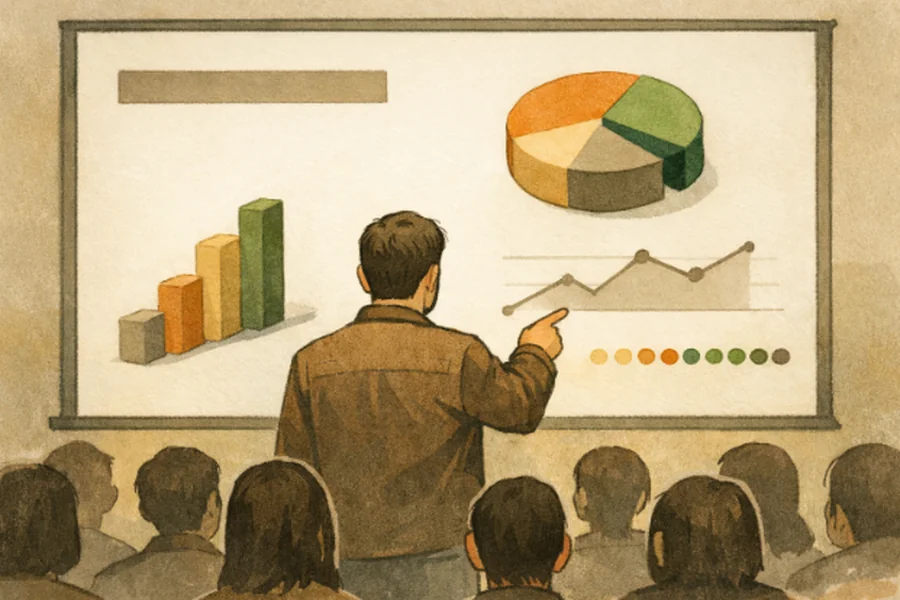
Color trends for 2026 lean toward muted, earthy tones that evoke authenticity and warmth. These palettes, ranging from stone gray to sage green and terracotta, are popular across multiple design fields for fostering trust and approachability. The rise of these colors supports a move away from harsh contrasts, producing presentations that are gentle on the eyes and suitable for longer formats. Such natural hues align well with sustainability and wellness themes prevalent in current business discourse.
By embracing these presentation design trends, professionals can create content that not only looks stunning but also resonates more deeply with their audience. Staying proactive and curious will ensure presentations remain both relevant and memorable, especially in a landscape that values clarity, engagement, and modernity.
